


Menopause is the permanent end of menstruation. Not having a period for 12 consecutive months is considered menopause. Perimenopause can last anywhere from 7-11 years and is characterized by changes in menstruation and fluctuation in hormones. Postmenopause is after the period has stopped completely. The average age for menopause is between 45-55 yrs. One of the main hormonal shifts with menopause is a drop in estrogen. This is because the ovarian follicles decrease and produce less estrogen. Decreased estrogen lowers the negative feedback loop with the pituitary gland and LH and FSH are then increased. Symptoms of menopause include hot flashes and night sweats, vaginal dryness, depression, changes in sex drive, insomnia, weight changes, hair loss, and urinary incontinence.
Hot flashes, that usually occur from the chest up, are caused by the fluctuation in hormones which can dilate blood vessels and can cause a sudden increase in blood flow. This can lead to flushing, sweating, heart palpitations, and anxiety that lasts 1 to 5 minutes. This usually happens at night and can disrupt sleep which can then lead to depression. A health study was done (Study of Women’s Health Across the Nation) and found that African American women were more prone to “Vasomotor Symptoms” than Asian women.
With a decrease in estrogen, there can be decreased bone loss and increased LDL. Postmenopausal women are more at risk for osteoporosis and heart disease. With that said, a diet rich in minerals is important for bone health, along with vitamin D. A diet also high in fiber and low in saturated fats can decrease the risk for CVD.
It is important to understand that menopause is not a disease, and is a natural part of life. In order to make the transition more comfortable, a healthy diet and lifestyle is important. Detoxifying the liver and gut health are also important for hormonal health.
Detox Whole Food Diet
Since the liver filters out hormones, it is important to have a healthy functioning liver to help regulate hormones more efficiently. If we want to balance our hormones, we must look at liver and gut health. Also, “NAFLD is greater among postmenopausal women, possibly because of the decline in estrogen and its protective measures”. Therefore, liver health is even more important postmenopausal.
Other effects of low estrogen include, “…mitochondrial dysfunction, cellular senescence, declining immune responses to injury, and disarray in the balance between antioxidant formation and oxidative stress.”
Foods that can support the liver:
Phase 1 Live Detox- Hydroxylation:
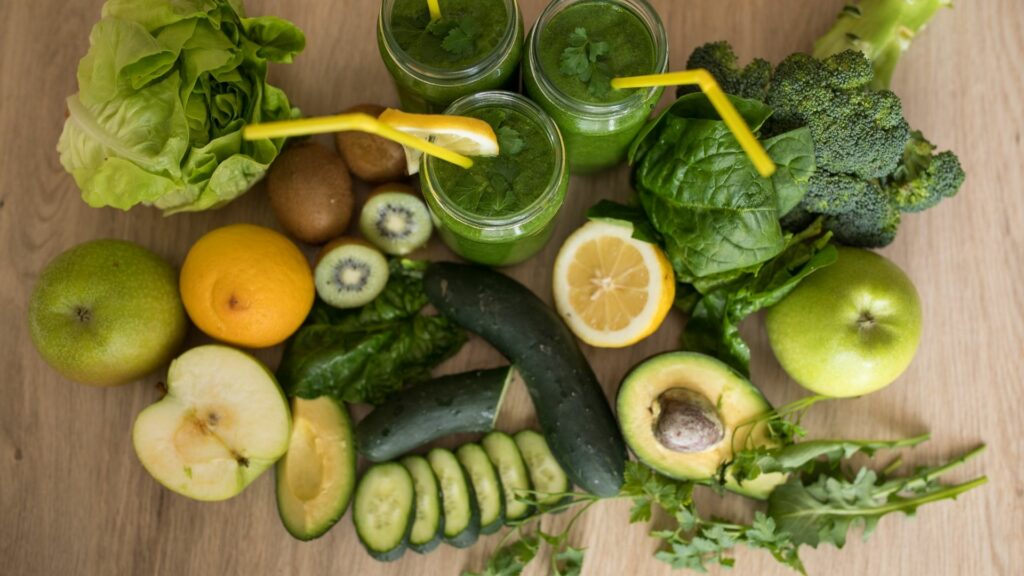
Cruciferous vegetables (broccoli, Brussels, cauliflower, arugula, bok choy, cabbage and kale) and isoflavones (soy, flax, red clover, and kudzu).
Phase 2 Liver Detox- Methylation:
B vitamins, choline and magnesium:
Legumes, green leafy vegetables, broccoli, cracked cell chlorella, nuts and seeds (pumpkin seeds and almonds), quinoa.
Phytoestrogens:
Flax, non-GMO soy (tofu, edamame, miso, tempe), and sesame seeds.
“Phytoestrogens appear to reduce the frequency of hot flushes in menopausal women, without serious side-effects.”
Maintain Healthy SHBG (sex hormone binding globulin) Levels:
Isoflavones(soy, flax, red clover, and kudzu), fiber, pumpkin seeds, green tea and berries.
Protect Cells from Oxidative Stress:
Lycopene, vitamin D3, curcumin, green tea, selenium, zinc and other antioxidants.
Improve Gut Health:
Probiotics and fiber. A high fiber diet includes fresh fruit and veggies, nuts, seeds, legumes, and whole grains. Avoid foods you are allergic to or intolerant to, refined flour, sugar, alcohol, diet high in meat and dairy, processed foods, chemicals, glyphosate, etc. Also, make sure you are drinking purified water.
What to watch out for:
Although cruciferous vegetables are great for phase 1 liver detox, raw crucifers can be high in oxalates and may have a negative effect on the thyroid. You can simply steam, sauté or cook your vegetables to decrease oxalate content. Also, soy is a good source of phytoestrogens, but make sure to avoid processed soy and GMO soy. Soy can be added to many ingredients, such as “soy protein isolate” or “textured soy protein”. Stick to non-GMO tofu, tempe, edamame, and miso. Also, when on a detox diet, and eating more vegetables and fruit, make sure to follow the EWG’s “Dirty Dozen and Clean Fifteen Guide” (https://www.ewg.org/foodnews/). This list lets you know the 12 FV highly sprayed with herbicides/pesticides and the 15 FV with the least amount of herbicides/pesticides. It is best to buy the dirty dozen FV organic!
Broccoli
Broccoli influences the detoxification system. Broccoli is a cruciferous veggie that contains Indole-3-carbinol that helps with stage one of liver detoxification. It is also a good source of antioxidants, and contains 89.2 mg of vitamin C in 100g. Broccoli is also a good source of calcium, magnesium, phosphorus, potassium and vitamin K which is important for healthy bones. It also contains vitamin A, beta-carotine, folate, and choline. Broccoli can easily be added to stir-fries, quinoa bowls, and roasted/steamed with other veggies! Pair broccoli with sautéed kale and seeds, and you will receive more minerals and detoxification benefits!
Organic Sprouted Tofu
Tofu is a good source of protein, calcium, and fiber. It is healthier for the gut than animal protein. It is also one of the best sources of phytoestrogens which are beneficial for hormonal balance. As mentioned earlier there is a lot of processed soy out on the market, so make sure to stick to non-GMO tofu, tempe, edamame, and miso. Tofu has a bland taste, so you can make it taste like anything you want! It’s all about how you spice it. You can make baked tofu, tofu rectangles on the skillet, add it to soups, stir-fries, Buddha bowls, and even red pasta sauce with spinach!
Medication Interactions and Depletions
Some common medications/hormones given to those pre and post menopause:
Estrogen is the most effective treatment for hot flashes. The preferred method is transdermal. Estrogen has major interactions with activated charcoal, grapefruit and St. John’s Wort. It also has a moderate depletion in folic acid and magnesium. It is important to note that it can increase breast and ovarian cancer.
Progesterone has major interactions with grapefruit and St. John’s Wort. Progesterone cream has major interactions with Aloe and EDTA. Do not give progesterone to someone with breast cancer.
Selective Serotonin Reuptake Inhibitors (SSRI’s) such as Zoloft (Sertraline) has major interactions with activated charcoal, arsenic, cesium, ephedra, grapefruit, lithium, Sida cordifolia and St. John’s wort and a moderate depletion in sodium.
Selective Norepinephrine Reuptake Inhibitors (SNRIs) Venlafaxine (Effexor) has major interactions with charcoal, arsenic, cesium, ephedra, grapefruit, lithium, Sida cordifolia and a moderate depletion in sodium. For those with a history of breast cancer, SNRIs are preferred over SSRIs.
Gabapentin has a major interaction with alcohol, L-tryptophan, GHB, kava, and activated charcoal.
Supplements
Bone Mineral Blend
You always want to try to get your nutrients from food first. However, the soil is depleted in minerals. In this case, you may want to supplement with minerals, as the drastic decline in estrogen after menopause can increase the risk for osteoporosis. A liquid ionic bone mineral blend I like is from Metamin Liquid Wholeness. It has a combination of zinc, manganese, magnesium, calcium, potassium, cobalt, and boron.
Pre-Gelatinized Organic Maca (Lepidium peruvianum Chacon)
An RTC study was done with early on postmenopausal women (ages 49-58) for 4 months. There were 11 participants in the control group, and 11 in the group given 2g of Maca-GO per day (1g with a meal 2x a day). The results were that the Maca-Go did significantly decrease symptoms of menopause such as hot flashes and night sweats, and also helped to improve mood and decrease stress. This is significant, since other studies have not yet shown significant improvement in hot flashes with black cohosh5,14, red clover and dang gui. Please note that maca may cause testosterone to increase.
Referral: Meditation
“No amount of kale can counteract the toxic effects of chronic, repetitive stress on the body”.
-Dr. Lissa Rankin
Dr. Lissa Rankin, who is an author of many books and an MD that practices mind-body medicine, could not have said it better. No matter how much we detox and eat whole foods, we have to manage our stress. There are many stressors coming our way: living a modern fast- paced life, electronics, TV and blue light in the evening, lack of sunlight and nature, sitting for many hours a day, poor communication, toxin exposure, and the list goes on. It is important to incorporate daily activities to turn off the stress response. Otherwise, stress hormones can interfere with sex hormones. Meditation can help bring us into the relaxation response which is the opposite of the stress response. It can help to lower blood pressure, improve mood, lower anxiety and depression, and help with insomnia. A spiritual meditation can help a woman transition into a different chapter in her life. In yoga, and many religions, they talk about being the soul and not these material bodies. When the body is weathering a natural storm, you can take a step back and not get entrapped in the emotions and physical changes that happen. You can also take shelter in the knowledge that you are the soul and not these temporary bodies.
Recap
Menopause is a natural phase of life and is defined as not having a period for 12 consecutive months; then postmenopause begins. Perimenopause can start years before menopause and is characterized by changes in hormones and the menstrual cycle. Some major symptoms that go along with menopause are: hot flashes and night sweats, vaginal dryness, depression, changes in sex drive, insomnia, weight changes, hair loss, and urinary incontinence. The drop in estrogen can also lead to bone loss and increased risk for CVD. The best way to handle the natural progression of menopause, is to focus on liver and gut health, so that hormones can be as balanced as they can be during the transition. A DETOX whole food diet consists of fresh fruits, vegetables, nuts, seeds, legumes, whole grains and healthy unsaturated oils. Some specific foods that help with liver detox and hormonal balance are: Cruciferous vegetables, flax, organic soy, legumes, green leafy vegetables, cracked cell chlorella, pumpkin seeds, green tea and berries. Make sure to follow the EWG Clean Fifteen and Dirty Dozen FV list when choosing your FVs. Also, make sure to get non-GMO soy (tofu, tempe, miso, edamame), and cook your crucifers to lower the oxalates. When you are cleansing, you also want to make sure to drink purified water. Lastly, adding a meditation practice to your life can help to decrease stress and balance hormones, as well as help support a woman in a major life transition.


