


We all experience stress, pretty much on a daily basis. Some of us handle stress easier than others, and for some it can be debilitating. Both feelings of fear and anxiety can go along with stress. Fear is more present- oriented; anxiety is more future- oriented. Anxiety is defined as excessive worry. Symptoms of anxiety include sweating, rapid heartrate, loss of memory/recall/concentration, lack of focus, nightmares, shallow breathing, headaches, trembling, muscle tension, repetitive thoughts, hypervigilance, and diaphoresis.
Approximately 18.1 % of the population (40 million people) suffer from anxiety a year‑2. There are different types of anxiety disorders: General anxiety (GAD), panic disorder, social phobias, obsessive compulsive disorder, and trauma and stress related anxiety such as PTSD . For this blog, I will focus on General Anxiety Disorder which is the reason for 10-15% of primary care visits. In order to meet the DSM-5 criteria for GAD, one must experience intense worry most days of the week consistently for 6 months. There are many different triggers that can cause anxiety such as reacting to different life circumstances, biochemical reasons, drug induced (caffeine, alcohol, prescription drugs, etc), hormonal imbalances, nutritional deficiencies (B vitamins, Vitamin D3, omega 3 and magnesium), blood sugar imbalances, and neurotransmitter imbalances. Unfortunately, anxiety is many times coupled with physical ailments, and thus, treating the actual anxiety and determining the root cause is often overlooked, and attention is given to the physical symptoms. Anxiety can also go along with depression.
Since this is a nutritional blog on anxiety, we will focus on nutritional and lifestyle interventions for GAD.
Both low serotonin and GABA can be related to anxiety. There are key micronutrients that are involved in helping these neurotransmitters function properly.
Amino acids are the building blocks of protein. When protein is ingested, it gets broken down into amino acids. Certain amino acids are precursors to serotonin and GABA. In order for a protein to break down into amino acids, vitamins B1, B6 and zinc are needed. L-Tryptophan is an amino acid that then gets converted to 5HTP and then serotonin. From L-tryptophan all the way down to serotonin; folate, iron, calcium, magnesium, B3, B6, vitamin C and zinc are needed. Then magnesium and an amino acid called methionine are needed to convert serotonin to melatonin. L-glutamine is an amino acid that is converted to L-glutamate and then to GABA. The nutrients involved are magnesium, B6, zinc, and vitamin C.
As you can see, protein and the ability to absorb and break down protein is important, along with all the micronutrients that are involved in forming neurotransmitters.
A heathy gut microbiome is also important for managing anxiety (I will get into probiotics later in this blog). Having a permeable gut can also create inflammation which can increase anxiety. Inflammation can affect “anxiety-related brain regions” such as the amygdala, and also have an effect on neurotransmitters.
Plant-based, gluten-free and low-glycemic diet
“A recent cohort study showed that increasing odds of depression and anxiety have been associated with the consumption of foods that have a progressively higher GI and this relationship is maintained after controlling for micronutrients known to play a role in mental health.”
What to Avoid: High glycemic foods, such as refined flour and sugar that can cause blood sugar imbalances. Caffeine, alcohol, and other stimulants. Alcohol lowers serotonin. Chemicals in food like aspartame, MSG1 and pesticides and herbicides. Gluten and eggs may also interfere with an enzyme that helps convert glutamate to GABA. Gluten can also increase gut permeability and increase inflammation in those with non-celiac gluten sensitivity (NCGS). Meat also contains stress hormones from when an animal is killed, as to one reason a vegetarian diet can be more beneficial and is also higher in fiber.
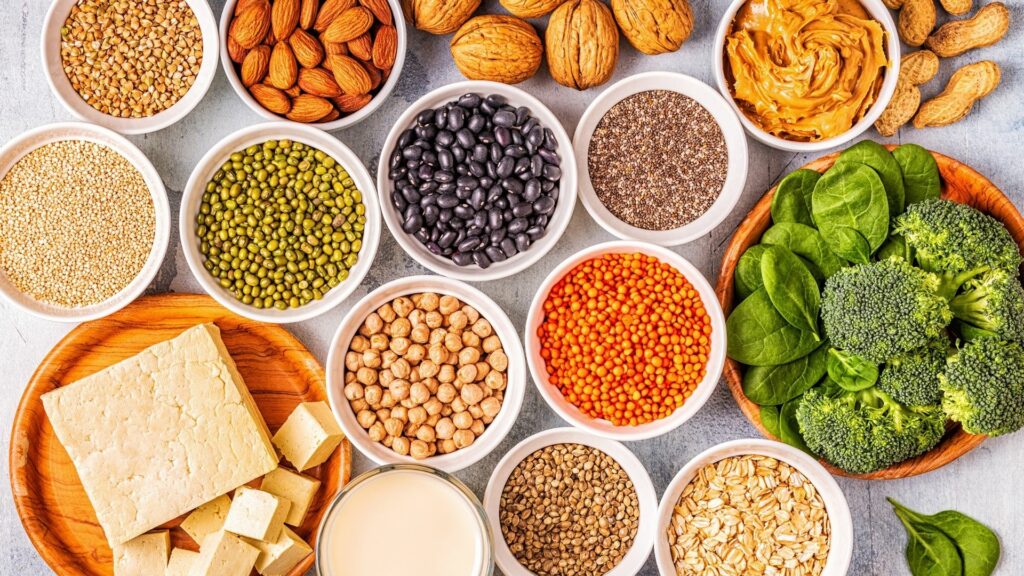
What to Eat: Plant foods such as fresh fruit, vegetables, legumes, nuts, seeds, and gluten-free whole grains.Healthy oils such as olive oil, coconut oil, avocado oil, sesame oil and ghee. It is best to soak your beans over night for better digestion and absorption. Also, steam or cook cruciferous veggies. Ayurveda treats anxiety as a Vata imbalance and recommends eating warm, soft and oiled foods such as soups with root vegetables, sweet potato with ghee, and oatmeal with hempseeds.
Eating a vegetarian diet can feel limiting at first, but there are many helpful cookbooks and recipes online to help you create delicious and simple vegetarian meals. You can convert any meal you like into a vegetarian whole food meal. For example, create a burrito with a brown rice tortilla or non-GMO corn tortilla, brown rice and beans instead of a white flour tortilla and beef/chicken. It is also easy to fall into the trap of becoming a “junk food” vegetarian, so try to stick to whole foods. Avoid mock meats and processed vegetarian food.
Some key nutrients to focus on:
B Vitamins: Legumes and green leafy vegetables
Omega 3: Flaxseeds, chia or hempseeds.
Magnesium: Pumpkin seeds and green leafy vegetables
GABA: Cooked spinach, legumes, sweet potatoes, brown rice, barely, buckwheat, oatmeal, peas, crucifers.
Tryptophan: Green leafy vegetables, sunflower seeds, pumpkin seeds, soybeans, broccoli, watercress, and pea.
You can see a pattern that green leafy vegetables, legumes and seeds are beneficial for anxiety! Ayurveda would recommend smaller beans such as lentils, mung beans and tofu (easier to digest). Don’t forget to soak you beans and cook crucifers.
On Dairy: 70% of the population is lactose intolerant. Food allergies and intolerances can contribute to anxiety. The reason I didn’t recommend a full vegan diet is because ghee can most often be tolerated by those who are either allergic or intolerant to dairy. Some people can also tolerate goat milk better than cow dairy.
Pumpkin Seeds are a good source of magnesium. One ounce has 37% of RDA value for magnesium. “Magnesium antagonizes the N-methyl-d-aspartate (NMDA) receptor and exhibits gamma-aminobutyric acid receptor agonist activity”. In a nutshell, magnesium helps GABA receptors and can increase relaxation. Try adding ¼ cup of pumpkin seeds to one meal a day. You can add pumpkin seeds to salads, smoothies, or roasted veggies.
Spinach has one of the highest contents of GABA: “…414nmol/g of dry weight in raw spinach”. GABA helps to calm the nervous system, which makes it ideal to eat GABA rich foods for dinner. Spinach is best sautéed, so that the oxalates can get cooked down. You can pair ½ cup of sauteed spinach with ½ cup of cooked brown rice or a sweet potato (which also contain GABA). According to Ayurveda, ghee helps coat the dendrites of neurons, which can have a soothing affect. You can also add a dab of ghee to your meal!
Medications
Some common medications prescribed for anxiety are SSRIs such as Paxil (paroxetine) or Zoloft (sertraline). There are also serotonin norepinephrine reuptake inhibitors such as Cymbalta (duloxetine). Paxil has major interactions with activated charcoal, Iboga, and lithium and a moderate depletion in sodium. Zoloft has major interactions with activated charcoal, arsenic, cesium, ephedra, grapefruit, lithium, Sida Cordifolia, and St. John’s Wort and a moderate depletion in sodium. Cymbalta has major interactions with activated charcoal and lithium and a moderate depletion in sodium. Studies have not been able to prove that SSRIs work better than a placebo for anxiety. That is why it is important to get to the root nutritional causes and imbalances that are causing anxiety to begin with. Also, be aware of medications that can affect the gut microbiome such as antibiotics, birth control, and NSAIDs.
Heavy Metals
We talked about avoiding certain chemicals in food, but heavy metals are also important to look out for. Heavy metals can accumulate in the central nervous system and may even affect chemical reactions in the body. One main source of heavy metals is in drinking water. That is why it is crucial to have a quality water purifier. Fish can also be a source of heavy metals, as to why I like to supplement with Algae DHA and increase flaxseeds, chia or hempseeds in the diet, rather than relying on fish for omega 3.
Supplements:
Probiotics
“Probiotics are live bacteria that provide many benefits, including alteration of the enteric nervous system, housed in the gastrointestinal (GI) tract. The brain and the GI system are connected via the vagus nerve and the gut sends far more information to the brain than the brain sends to the gut. Problems in the gut may directly lead to issues such as anxiety, depression, and autism.”
“Ingestion of “psychobiotics” produces psychotropic effects on behavior, the hypothalamic-pituitary-adrenal axis, and neurochemicals in the brain.”
Here are some different probiotic strains that have been studied specifically for anxiety.
B fragilis: Reduces anxiety: “Corrects excessive gut permeability, alters gut microbial composition, and ameliorates deficits in communication and stereotypic, anxiety-like, and sensorimotor behaviors in the maternal immune activation model.”
B longum Reduces psychological stress.
L casei: “Rise in both Lactobacillus and Bifidobacterium as well as a significant decrease in anxiety symptoms”.
L Plantarum: “Resulted in significant rise in fecal Bifidobacterium levels.” “Bifidobacteria can boost plasma tryptophan levels and alter serotonin and dopamine turnover in areas of the brain associated with depression and anxiety.”
“Bifidobacterium and Lactobacillus showed efficacy in improving psychiatric disorder related behaviors including anxiety”.
Genuine Health has a probiotic called Advanced Gut Health Probiotic- MOOD (50 billion CFU)
It contains all the strains above, except for B fragilis. It also has a delayed release capsule. Take 1 capsule 1-2X a day on an empty stomach.
Ritual Essential for Women Multivitamin 18+
The Ritual vitamin contains many of the nutrients that were talked about earlier that are important for neurotransmitters – serotonin and GABA formation.
It contains:
Vitamin D3 (2000 IU)
Vitamin K2 (90 mcg)
Vitamin E (6.7 mg)
Folate (1000 mcg)
Methyl B12 (8 mcg)
Iron (8mg)
Magnesium (30 mg)
Omega 3 DHA (330 mg)
Take two capsules daily with dietary fat and food.
Referral
Aromatherapy with essential oils can be one of the quickest was to “change” your mood. When inhaling essential oils, thousands of molecules can travel directly to the brain. The two main pathways are via the olfactory and respiratory system. Lavender has been proven to help prevent and treat both anxiety and depression. The benefits of essential oils include, “…regulation of monoamine level, the induction of neurotrophic factor expression, the regulation of the endocrine system and the promotion of neurogenesis.” You can diffuse lavender in the evening to help slow down the mind and induce relaxation and even help improve your sleep! Organic food-grade essential oils are ideal.
Recap
Anxiety is excessive worry that is future-oriented. One must experience excessive worry most days of the week for 6 months to be diagnosed with GAD. Some key nutrients involved with the neurotransmitters Serotonin and GABA are B vitamins, zinc, vitamin C, iron and magnesium. Vitamin D3 and Omega 3 are also beneficial for anxiety. Easily digestible protein and absorption is important to have amino acid precursors to neurotransmitters. Gut health is important not only to digest protein, but also to have a diverse variety of bacteria, and prevent gut permeability. A vegetarian diet is full of high fiber and gut friendly food. Fiber helps to feed the good bacteria. Avoiding gluten and food allergies can also help to decrease inflammation which can affect anxiety. Low-glycemic foods can keep blood sugar in check, which can also help to reduce anxiety. Pumpkin seeds are a good source of magnesium, and sauteed spinach is a good source of GABA. You may want to supplement with a probiotic. The Ritual Essential for Women Multivitamin has many of the nutrients required for neurotransmitters, including vegan DHA. Drinking purified water is important to avoid heavy metals. Also avoid chemicals in food, plastic water bottles, household, and body care products. Lastly, aromatherapy with lavender can help to ease anxiety. Meditation, yoga, and getting out into nature can also have great benefits for the mind.


